
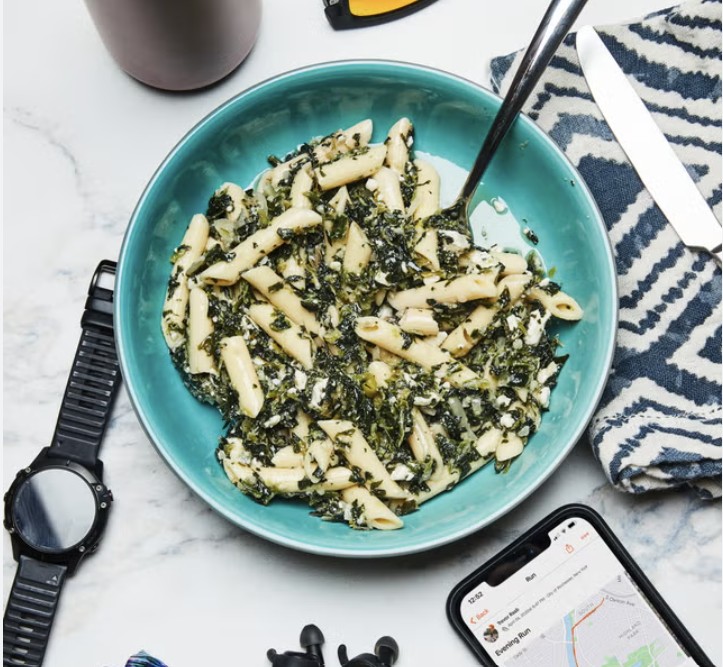
Rebuild Faster: 5 Essential Post-Run Recovery Bowls

You’ve just crushed your run. The endorphins are flowing, your legs feel that familiar pleasant burn, and a sense of accomplishment washes over you. But as you slow to a walk and catch your breath, a critical window of opportunity opens. What you consume in the next 30 to 60 minutes can either amplify the benefits of your hard work or undermine them completely. For many runners, this crucial step is an afterthought, often reduced to a quick protein bar or a simple glass of water. This approach, however, misses the mark on true physiological recovery.
The Finish Line Is Just the Beginning: Rethinking Your Recovery
The science is clear: effective post-exercise nutrition is not just about staving off hunger. It is a strategic intervention designed to replenish depleted energy stores, repair microscopic muscle damage, and reduce inflammation. According to a recent study in the Journal of the International Society of Sports Nutrition, proper nutrient timing can significantly enhance muscle protein synthesis and glycogen resynthesis. This is where the post-run recovery bowl comes in—a powerful, customizable tool that transforms your recovery from a passive process into an active strategy for building a stronger, more resilient body.
The Science of the Rebuild: Your Macronutrient Blueprint
Before diving into recipes, it’s essential to understand the ‘why’ behind the ingredients. A successful recovery bowl is built on a foundation of science, targeting the body’s specific needs after strenuous activity. Think of it as providing your internal construction crew with the right materials to rebuild stronger than before.
The Golden Ratio: Carbohydrates and Protein
The primary goal post-run is to address two things: depleted fuel and damaged muscle. This requires a specific combination of macronutrients. “The most effective recovery nutrition follows a carbohydrate-to-protein ratio of roughly 3:1 or 4:1,” explains Dr. Evelyn Reed, a sports dietitian and consultant for endurance athletes. “Carbohydrates are non-negotiable; they are the body’s primary tool for refilling muscle glycogen, the fuel you just burned. Protein provides the amino acids necessary to repair the micro-tears in your muscle fibers, which is the very process that makes you stronger.”
Skipping carbs in favor of a protein-only shake is a common mistake. Without adequate carbohydrates, the body may turn to protein for energy, a process called gluconeogenesis, which diverts those essential amino acids away from their primary job of muscle repair. Your recovery bowl must feature both.
Beyond the Basics: Fats, Fluids, and Micronutrients
While carbs and protein are the stars of the show, supporting players are also crucial:
- Healthy Fats: Small amounts of healthy fats from sources like avocado, nuts, and seeds can help reduce inflammation and support overall health. However, keep fat content low in the immediate post-run window, as it can slow down the digestion and absorption of carbs and protein.
- Fluids and Electrolytes: You lose more than just water when you sweat. Replacing electrolytes like sodium, potassium, and magnesium is vital for rehydration and proper muscle function.
- Antioxidants: Intense exercise creates oxidative stress. Berries, dark leafy greens, and colorful vegetables are packed with antioxidants that help combat this stress and reduce inflammation.
5 Expert-Crafted Post-Run Bowls That Rebuild Better
Here are five versatile and effective recovery bowls designed to meet your post-run needs. Each is a perfect blend of science and flavor, ensuring your recovery is both effective and enjoyable.
1. The Glycogen Gladiator Oatmeal Bowl
This classic bowl is a powerhouse of sustained energy and muscle repair. It’s comforting, easy to prepare, and incredibly effective.
Core Components:
- 1/2 cup rolled oats (cooked)
- 1 scoop vanilla or unflavored whey or plant-based protein powder
- 1/2 cup mixed berries (fresh or frozen)
- 1 tablespoon chia seeds
- 1 tablespoon chopped walnuts or almonds
Why it works: The oats provide complex carbohydrates for steady glycogen replenishment. The protein powder delivers a fast-absorbing dose of amino acids for immediate muscle repair, while the berries offer a potent antioxidant punch to fight inflammation. Chia seeds and nuts add healthy fats and fiber.
2. The Sweet Potato & Black Bean Power Bowl
For those who prefer a savory option, this bowl delivers a complete nutritional profile with a satisfying, hearty flavor.
Core Components:
- 1 medium sweet potato (baked or roasted and mashed)
- 1/2 cup canned black beans (rinsed)
- 1/4 avocado (sliced or diced)
- 2 tablespoons plain Greek yogurt or a plant-based alternative
- A sprinkle of cilantro and a squeeze of lime juice
Why it works: Sweet potatoes are an excellent source of complex carbohydrates and Vitamin A. The combination of black beans and Greek yogurt creates a complete protein profile, while the avocado provides anti-inflammatory monounsaturated fats. The lime juice adds a touch of Vitamin C.
3. The Mediterranean Quinoa Rebuilder
Light, refreshing, and packed with lean protein and nutrients, this bowl is perfect after a warm-weather run.
Core Components:
- 1 cup cooked quinoa
- 3 ounces grilled chicken breast or chickpeas
- 1/2 cup chopped cucumber and cherry tomatoes
- 1 tablespoon crumbled feta cheese
- A simple lemon-tahini dressing
Why it works: Quinoa is a unique plant-based food that is a complete protein and a carbohydrate. Paired with lean chicken or chickpeas, it provides a robust amino acid profile. The fresh vegetables help with rehydration and provide micronutrients, and the tahini dressing adds healthy fats.
4. The Tropical Green Smoothie Bowl
When you need rapid rehydration and quick-digesting nutrients, a smoothie bowl is the ideal solution. It’s gentle on the stomach and delivers nutrients efficiently.
Core Components:
- 1 frozen banana
- 1/2 cup frozen mango or pineapple
- 1 large handful of spinach
- 1 scoop of protein powder
- 1/4 cup coconut water or almond milk
Toppings: A sprinkle of granola for carbs, and a dash of coconut flakes.
Why it works: The banana and mango provide easily digestible carbohydrates to kickstart glycogen replenishment. Spinach is virtually tasteless but adds iron and other vital nutrients. Coconut water is exceptional for replacing lost electrolytes, making this an all-in-one rehydration and rebuilding machine.
5. The Savory Cottage Cheese & Veggie Bowl
Don’t underestimate the power of cottage cheese. It’s a recovery superstar thanks to its high concentration of casein protein.
Core Components:
- 1 cup low-fat cottage cheese
- 1/2 cup diced bell peppers and celery
- A sprinkle of black pepper and dill
- Serve with a side of whole-grain crackers or a slice of toast
Why it works: Cottage cheese is rich in casein, a slow-digesting protein that provides a sustained release of amino acids to your muscles, perfect for longer-term repair. The fresh vegetables add a satisfying crunch and vitamins, while the crackers or toast provide the necessary carbohydrates to complete the recovery equation.
Conclusion: Fuel Your Progress, One Bowl at a Time
Your training doesn’t end when you stop your watch; it ends after you’ve refueled your body. By embracing the post-run bowl, you are taking a proactive step toward better performance, reduced injury risk, and faster adaptation. These bowls are not just meals; they are an integral part of your training regimen. They are the tools that rebuild the machine you work so hard to improve.
We challenge you to move beyond the simple shake and start building a better recovery. Experiment with these recipes, customize them with your favorite ingredients, and listen to your body. What’s your go-to post-run recovery bowl? Share your favorite combinations in the comments below and inspire your fellow runners!