
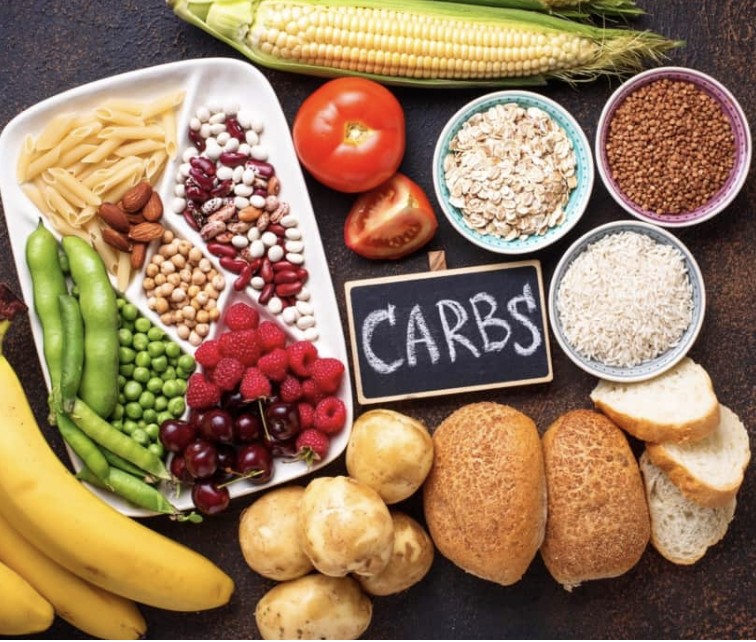
Ultimate Guide: Smart Carbs for Peak Endurance

You know the feeling. You’re deep into a run, a ride, or a demanding workout. Your muscles are burning, your lungs are working hard, but your mind is sharp. Then, it hits. Not a wall of muscle fatigue, but a sudden, draining energy crash. Your legs feel like lead, your focus evaporates, and every step becomes a monumental effort. This frustrating phenomenon, often called “bonking” or “hitting the wall,” isn’t a sign of poor training; it’s a sign of poor fueling. For decades, carbohydrates have been a source of confusion, sometimes even fear, in the world of nutrition. But for anyone serious about endurance, they are not the enemy. They are, in fact, your most critical ally. The secret isn’t to avoid carbs, but to understand how to use smart carbs to unlock consistent, powerful, and lasting energy.
Fueling for the Finish Line: Unlocking Your Endurance Potential
The Carb Conundrum: Not All Energy Is Created Equal
Before we dive into meal plans and food lists, it’s essential to understand the fundamental principle of carbohydrates: they are your body’s preferred and most efficient source of fuel. When you consume carbs, your body breaks them down into glucose, which is either used immediately for energy or stored in your muscles and liver as glycogen. Your glycogen stores are your high-performance fuel tank. When they run low, you hit the wall. However, the type of carbohydrate you consume dramatically affects how quickly that fuel is released. Think of it like building a fire: you need different kinds of wood for different purposes.
Simple Carbs: The Fast-Burning Kindling
Simple carbohydrates are made of one or two sugar molecules. They are digested and absorbed very quickly, providing a rapid spike in blood sugar and an immediate burst of energy. This is your fire-starter, your kindling.
- When to use them: Immediately before or during intense exercise lasting more than 90 minutes. They provide a quick, easily accessible source of energy to keep your muscles firing without requiring a lot of digestive effort.
- Examples: Energy gels, sports drinks, honey, bananas, dates, and white bread.
- The Catch: Relying on simple carbs when you’re not active can lead to an energy “crash” as your blood sugar plummets just as quickly as it rose. They are a tactical tool, not an all-day fuel source.
Complex Carbs: The Slow-Burning Logs
Complex carbohydrates are long chains of sugar molecules, often bundled with fiber and nutrients. Your body takes much longer to break these down, resulting in a slow, steady release of glucose into the bloodstream. These are the dense, heavy logs that keep your fire burning steadily for hours.
- When to use them: As the foundation of your daily diet. They should be the star of your meals in the days and hours leading up to a long workout or event.
- Examples: Oats, sweet potatoes, brown rice, quinoa, whole-grain pasta, beans, and lentils.
- The Benefit: They provide sustained energy, promote satiety, and keep your glycogen stores topped off, ensuring you start your workouts with a full tank.
Your Smart Carb Playbook: Strategic Fueling for Performance
Knowing the difference is one thing; applying it is another. True endurance fueling is about timing. Eating the right carb at the right time can make all the difference between a personal best and a painful finish.
The Pre-Workout Power-Up (1-3 Hours Before)
The goal here is to top off your liver and muscle glycogen stores without causing digestive issues. You want to feel energized, not heavy. Focus on easily digestible complex carbohydrates.
- 3 hours out: A balanced meal like grilled chicken with a large sweet potato or a bowl of quinoa with roasted vegetables.
- 1-2 hours out: Something smaller and simpler, like a bowl of oatmeal with a few berries, a whole-wheat bagel with a thin layer of almond butter, or a banana.
The During-Workout Boost (For Efforts Over 90 Minutes)
For longer sessions, you need to start refueling on the go to spare your stored glycogen. The key is to consume easily digestible, simple carbohydrates.
- The Rule of Thumb: Aim for 30-60 grams of carbohydrates per hour of sustained activity.
- Smart Choices: One energy gel, a handful of dates, a sports drink, or half a banana are all excellent options to consume every 45-60 minutes to maintain your energy levels.
The Post-Workout Recovery Window (Within 30-60 Minutes)
This is a critical window. Your muscles are like sponges, primed to absorb nutrients and restock glycogen. Replenishing them quickly kick-starts the recovery process, reduces muscle soreness, and prepares you for your next session.
- The Magic Ratio: Aim for a 3:1 or 4:1 ratio of carbohydrates to protein. The carbs replenish your energy stores, while the protein begins repairing muscle tissue.
- Perfect Pairings: A smoothie with fruit and protein powder, low-fat chocolate milk, Greek yogurt with honey and fruit, or a meal of fish with brown rice.
Top 5 Smart Carbs for Your Endurance Arsenal
Ready to stock your pantry? Here are five powerhouse carbohydrates that should be staples in any endurance athlete’s diet.
- Oats: A classic for a reason. Oats are packed with beta-glucan, a type of soluble fiber that slows digestion, providing a long, steady stream of energy. Perfect for a pre-workout breakfast.
- Sweet Potatoes: This nutritional superstar is loaded with complex carbs, vitamins A and C, and electrolytes like potassium, which are crucial for hydration and muscle function.
- Quinoa: Often called a “superfood,” quinoa is not only a quality complex carbohydrate but also a complete protein, containing all nine essential amino acids. This makes it a fantastic food for both energy and muscle repair.
- Bananas: The ultimate portable fuel. A single banana offers a brilliant mix of simple sugars (for quick energy) and more complex starches (for sustained release), plus a healthy dose of potassium to help prevent muscle cramps.
- Whole-Grain Pasta: A time-tested favorite for “carb-loading” before a big race. Choosing whole-grain versions ensures you get more fiber and nutrients, leading to a more gradual energy release compared to its white-flour counterpart.
Conclusion: Fuel Smarter, Perform Better
Mastering your carbohydrate intake is the key to unlocking your true endurance potential. It’s not about restriction or complicated diets; it’s about making intelligent, strategic choices. By focusing on slow-burning complex carbs for your daily meals and using fast-acting simple carbs as a tactical tool around your workouts, you can say goodbye to the dreaded energy crash. You will transform your body into a highly efficient, endurance-ready machine. Start by paying attention to how you feel, experiment with different foods and timing, and listen to your body. Your next personal best is waiting.
What is your go-to smart carb that fuels your best workouts? Share your favorite pre-race meal or snack in the comments below!