
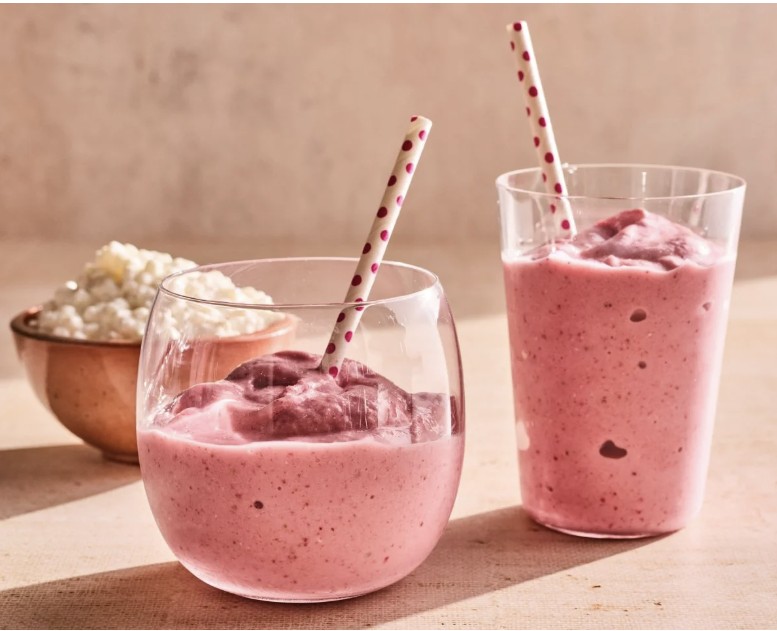
The Fullness Formula: 5 Keys to a Satisfying Smoothie

It’s a familiar story. You start your day with the best intentions, blending a vibrant, fruit-filled smoothie that looks like health in a glass. You drink it down, feeling virtuous and energized. But then, an hour later, a familiar rumble starts in your stomach. The hunger pangs are back, and you find yourself reaching for a snack long before lunchtime. It’s the smoothie paradox: a meal designed to be nutritious that often fails at the one thing a meal is supposed to do—keep you full.
The Smoothie Paradox: Why Your Healthy Drink Leaves You Hungry
The problem isn’t the smoothie itself, but how it’s built. Most common smoothie recipes are little more than fruit and a liquid base, which essentially creates a high-sugar, low-substance drink. While delicious, this concoction causes a rapid spike in blood sugar, followed by an inevitable crash that leaves you feeling tired and even hungrier than before. But it doesn’t have to be this way. By shifting your focus from a fruit-only blend to a balanced meal, you can transform your smoothie from a temporary fix into a powerhouse of lasting energy. The secret isn’t a single magic ingredient, but a proven formula for satiety.
The 5 Essential Keys to a Filling Smoothie
To craft a smoothie that truly satisfies, you need to think like a nutritionist and ensure you’re including the key macronutrients that signal fullness to your brain and body. Follow these five essential steps to build a better, more satisfying blend every single time.
1. Prioritize Protein Power
Protein is the undisputed champion of satiety. It takes longer to digest than carbohydrates and has been shown to reduce levels of the hunger hormone, ghrelin. Including a solid source of protein is the most critical step in creating a smoothie that sticks with you. Aim for at least 15-20 grams of protein to turn your drink into a legitimate meal replacement.
- Greek Yogurt (Unsweetened): Provides a creamy texture and a significant protein boost, along with probiotics.
- Protein Powder: A convenient and efficient way to add 20-25 grams of protein. Choose from whey, casein, or plant-based options like pea or soy.
- Cottage Cheese: Don’t be afraid of this one! It blends in seamlessly, adding a rich, creamy consistency and a hefty dose of slow-digesting casein protein.
- Silken Tofu: A fantastic plant-based option that adds creaminess and protein without altering the flavor significantly.
2. Focus on Fiber
Fiber is your second-best friend when it comes to feeling full. It slows down digestion, helping to stabilize blood sugar levels and prevent the dreaded post-smoothie crash. Fiber also adds bulk to the smoothie, making it physically more filling. Adding just a tablespoon or two of a high-fiber ingredient can make a world of difference.
- Chia Seeds: These tiny seeds absorb liquid and expand, creating a gel-like consistency that is incredibly filling.
- Flax Seeds (Ground): A great source of fiber and omega-3 fatty acids. Make sure they are ground to unlock their full nutritional benefits.
- Rolled Oats: Adding a quarter-cup of uncooked rolled oats provides soluble fiber, which helps you feel full for hours. They also add a pleasant, thick texture.
- Leafy Greens: A handful of spinach or kale is an easy way to add fiber, vitamins, and minerals without impacting the taste, especially when blended with fruit.
3. Add Healthy Fats for Lasting Energy
Fat has been unfairly villainized for years, but healthy fats are essential for long-term satiety. Like protein, fat slows stomach emptying, which means you feel full for a longer period. Including a source of healthy fat not only boosts the staying power of your smoothie but also helps your body absorb fat-soluble vitamins.
- Avocado: A quarter of an avocado adds incredible creaminess, healthy monounsaturated fats, and fiber.
- Nut Butter: A tablespoon of almond, peanut, or cashew butter provides fat, a little protein, and a rich, satisfying flavor.
- Seeds: Beyond chia and flax, consider adding sunflower or pumpkin seeds for a boost of healthy fats and minerals.
- Coconut Oil or MCT Oil: A teaspoon can provide a quick source of energy and contribute to a feeling of fullness.
4. Choose Smart Carbs (and Less Sugar)
This is where many people go wrong. While fruit provides essential vitamins and sweetness, loading up on high-sugar fruits like mangoes, pineapple, and too many bananas can send your blood sugar on a rollercoaster. Instead, focus on low-glycemic fruits and complex carbohydrates that provide sustained energy.
- Berries: Blueberries, raspberries, and strawberries are relatively low in sugar and high in fiber and antioxidants.
- Limit High-Sugar Fruits: Use fruits like banana or mango sparingly, perhaps a half-portion, for natural sweetness and creaminess.
- Think Green: Vegetables like cucumber, zucchini, and cauliflower (steamed and frozen) are excellent low-carb fillers that add volume without sugar. You won’t even taste them!
5. Don’t Forget the Liquid Base
While water works, your choice of liquid can be another opportunity to add nutrients and enhance satiety. Avoid fruit juices, which are high in sugar and lack fiber. Instead, opt for a base that complements your fullness goals.
- Unsweetened Nut Milks: Almond, cashew, or macadamia milk are low in calories and provide a creamy base.
- Soy Milk: If you’re looking for an extra protein punch, unsweetened soy milk is a great plant-based option.
- Dairy Milk: If you tolerate dairy, milk offers a good balance of protein, fat, and carbohydrates.
Putting It All Together: The Ultimate Satiety Smoothie Recipe
Ready to build your masterpiece? Here is a sample recipe that incorporates all five keys. Use this as a template and feel free to customize it with your favorite ingredients.
Green Monster Power Smoothie
- Liquid Base: 1 cup unsweetened almond milk
- Protein: 1 scoop vanilla protein powder or 1/2 cup Greek yogurt
- Fiber: 1 tablespoon chia seeds and 1 large handful of fresh spinach
- Healthy Fat: 1/4 avocado or 1 tablespoon almond butter
- Smart Carb: 1/2 cup frozen mixed berries
Instructions: Combine all ingredients in a high-speed blender. Blend until completely smooth. If it’s too thick, add a splash more almond milk. If you prefer it sweeter, add a single date or a few drops of stevia.
Conclusion: Blend Smarter, Not Harder
The secret to a smoothie that actually keeps you full isn’t about restriction; it’s about inclusion. By moving beyond a simple fruit-and-liquid blend and embracing the Fullness Formula—Protein, Fiber, Healthy Fat, Smart Carbs, and a thoughtful Liquid Base—you can finally end the cycle of post-smoothie hunger. You can create a delicious, nutrient-dense meal that fuels your body, stabilizes your energy, and keeps you satisfied until your next meal.
Now it’s your turn. Try building a smoothie using these five principles and discover the difference for yourself. What are your favorite combinations for a filling smoothie? Share your go-to recipes in the comments below!